

Why Washing Your Wheels Year-Round Helps Prevent Corrosion, Air Leaks, and TPMS Problems

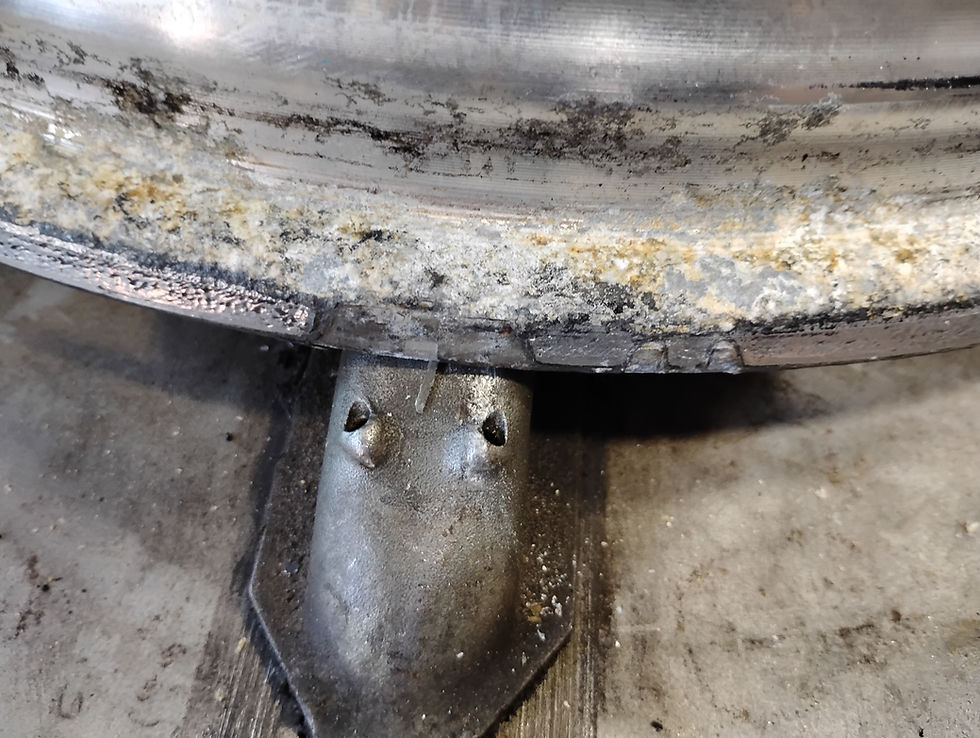
Keeping your wheels clean is about more than appearance. Regular wheel washing can help reduce corrosion, protect tire-sealing surfaces, and prevent problems that may eventually lead to air-pressure loss or damage around the tire pressure monitoring system.
At B&B Enterprises, we regularly see wheels that have been exposed to road salt, brake dust, moisture, dirt, and other corrosive materials. Over time, these contaminants can damage the wheel finish and begin working into areas that are not always easy to see.
Road Salt Can Damage Wheels in Every Season
Winter road salt is one of the biggest causes of wheel corrosion in New England and other areas where roads are treated for snow and ice. Salt & brine can remain trapped around lug openings, center caps, valve stems, wheel weights, and along the inside barrel of the wheel.
Even after winter ends, dried salt and road chemicals may remain on the wheel. Moisture can reactivate these deposits, allowing corrosion to continue during the spring and summer.
That is why wheels should be washed throughout the year, not only when they look dirty.
Corrosion Can Cause Tire Air Leaks
A tire seals against the outer edge of the wheel in an area commonly called the bead seat. When corrosion develops around this sealing surface, the tire may no longer sit evenly against the wheel.
This can cause a slow air leak that may require the tire to be refilled every few days or weeks.
Common signs of a possible wheel-related air leak include:
One tire repeatedly losing pressure
A low tire pressure warning that keeps returning
Air loss with no visible nail or puncture
Leaking around the tire bead
Flaking or bubbling finish near the tire edge
In some cases, the tire must be removed so the wheel bead area can be inspected and cleaned. Severe corrosion may require wheel repair or replacement.
Corrosion Around the Valve Stem and TPMS Sensor
Most newer vehicles use tire pressure monitoring system sensors mounted inside the wheel near the valve stem.
Moisture, road salt, and corrosion can affect the valve stem, retaining nut, sealing components, and surrounding wheel surface. If corrosion becomes severe, the valve stem may begin leaking or components may break during tire service.
TPMS sensors can also be damaged when corrosion causes parts to seize together. A technician may attempt to remove a corroded valve stem or retaining nut and find that the sensor breaks in the process.
Replacement TPMS sensors can add an unexpected expense to routine tire service. Keeping the wheel and valve-stem area clean may help reduce corrosive buildup.
Wheel Corrosion Can Become a Safety Concern
Low tire pressure affects more than fuel mileage. An underinflated tire can generate excess heat, wear unevenly, and reduce vehicle handling.
Severe pressure loss may also damage the tire sidewall or cause the tire to become unsafe for continued use.
Corrosion can also affect other parts of the wheel, including:
Lug nut seating areas
Center bore surfaces
Wheel mounting surfaces
Valve stem openings
Tire bead sealing areas
Wheel weight attachment points
Any wheel with heavy flaking, deep pitting, cracking, structural damage, or repeated air leaks should be inspected by a qualified tire or wheel professional.
How Often Should You Wash Your Wheels?
During winter, wheels should be rinsed regularly, especially after driving on heavily salted roads.
A practical schedule is:
Rinse wheels after major snow or ice events
Wash them whenever the vehicle is washed
Clean the inner wheel barrel when possible
Perform a thorough cleaning at the end of winter
Continue regular washing throughout spring, summer, and fall
Vehicles that are parked outside, driven near the coast, used on dirt roads, or exposed to commercial and industrial conditions may need more frequent cleaning.
The Best Way to Clean Your Wheels
Start with cool wheels. Spraying cleaner onto hot wheels may cause staining or damage certain finishes.
Use water, mild automotive soap, and a soft wheel brush or microfiber wash mitt. Pay special attention to areas where salt and dirt collect.
Clean around:
Lug nuts
Valve stems
Center caps
Spokes
Wheel openings
The inside barrel
The outer tire bead area
Avoid harsh chemicals unless the product specifically states that it is safe for your wheel finish. Painted, polished, machined, chrome-plated, and clear-coated wheels may require different cleaning products.
After washing, rinse the wheels thoroughly and allow them to dry.
Do Not Ignore Repeated Low-Pressure Warnings
A tire that repeatedly loses air should be inspected. Adding air may temporarily turn off the dashboard warning, but it does not correct the cause of the leak.
Possible causes include:
A nail or puncture
A leaking valve core
A damaged valve stem
TPMS seal failure
Corrosion around the tire bead
A bent or cracked wheel
Damage to the tire itself
Finding the source early may prevent additional damage to the wheel, tire, or TPMS sensor.
Protect Your Wheels Before Corrosion Gets Worse
Routine washing is one of the simplest steps vehicle owners can take to protect their wheels.
Keeping wheels clean helps remove road salt, brake dust, dirt, and moisture before these materials create larger problems. It may also help reduce the chance of bead leaks, valve-stem corrosion, TPMS damage, and premature finish deterioration.
B&B Enterprises specializes in genuine OEM factory wheels, tires, and take-off wheel and tire packages. We serve customers throughout Massachusetts, New England, New York, Pennsylvania, and beyond.
Contact us with questions about OEM replacement wheels, factory take-offs, tire and wheel fitment, or replacing a damaged or corroded wheel.
Frequently Asked Questions
Can a corroded wheel cause a tire to lose air?
Yes. Corrosion around the tire bead seat can prevent the tire from sealing properly against the wheel, causing a slow air leak.
Can road salt damage aluminum wheels?
Yes. Road salt and moisture can damage clear-coated, painted, machined, polished, and unfinished aluminum surfaces, especially when the finish is already chipped or scratched.
Can corrosion damage a TPMS sensor?
Corrosion can affect the valve stem, retaining hardware, seals, and the area where the sensor is mounted. Corroded parts may leak or break during removal.
Why does my tire pressure light keep coming back on?
The tire may have a puncture, valve leak, bead leak, wheel damage, or a TPMS-related problem. The tire and wheel should be inspected rather than repeatedly refilled.
Should wheels be washed during the winter?
Yes. Regular winter rinsing helps remove salt and road chemicals before they remain on the wheel for an extended period.


Comments