

Will these fit my truck? What you need to know.
Updated: Sep 15

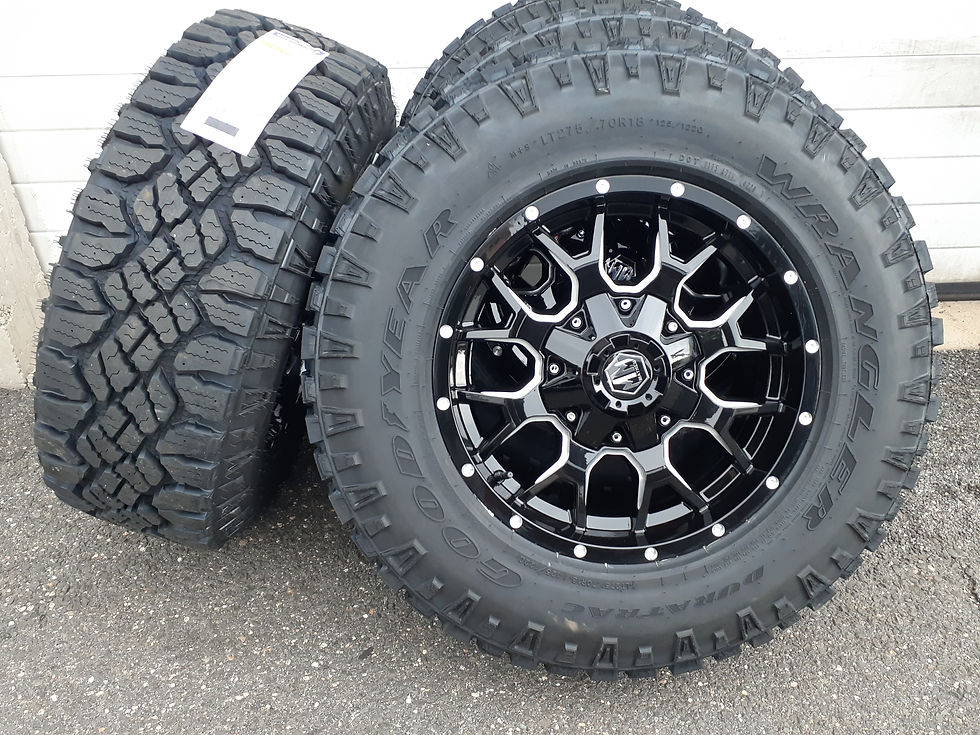

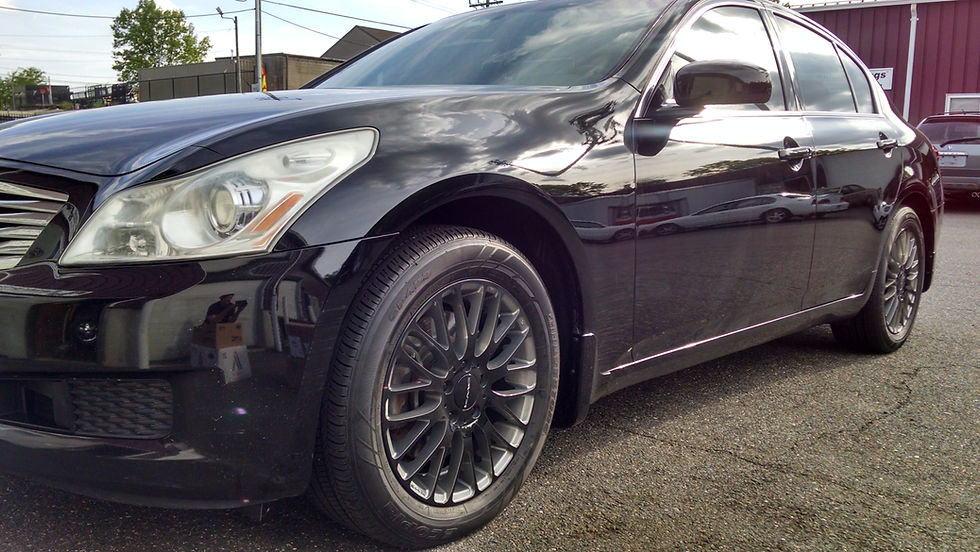
One of the most common questions we hear at B&B Enterprises is:
“Will these wheels fit my truck?”
It sounds like a simple question, but wheel and tire fitment involves more than just matching the diameter. Two wheels can both be 18 inches and still be completely different when it comes to bolt pattern, offset, width, center bore, load capacity, and brake clearance.
Before buying a set of factory wheels and tires, here are the most important things to check.
1. Bolt Pattern Has to Match
The bolt pattern tells you two things: the number of wheel studs and the diameter of the circle those studs form.
Examples include:
6x135
6x139.7
8x170
8x200
5x127
A wheel with the wrong bolt pattern simply will not bolt onto your vehicle.
And even when two trucks look similar, they may use completely different bolt patterns depending on the year, model, or drivetrain.
2. Wheel Diameter Is Only Part of the Story
People often start with wheel diameter:
“My truck has 18-inch wheels. Will these 18-inch wheels fit?”
Maybe—but diameter alone is not enough.
You also need to consider:
Wheel width
Offset
Backspacing
Center bore
Brake clearance
Tire size
A factory 18-inch wheel designed for one truck may sit too far inward or outward on another truck, even if the bolt pattern is the same.
3. Wheel Offset Matters
Offset determines where the wheel sits in relation to the suspension and body of the vehicle.
The wrong offset can cause a wheel or tire to:
Rub the suspension
Contact brake components
Stick too far outside the fender
Rub the inner fender while turning
Affect steering and handling
This is one reason we do not recommend buying wheels based on appearance alone.
4. Can I Change From 17-Inch Wheels to 18- or 20-Inch Wheels?
In many cases, yes.
Truck manufacturers often offer several factory wheel sizes on the same vehicle.
For example, the same truck may have been available from the factory with 17-inch, 18-inch, or 20-inch wheels.
The important part is matching the wheel with the correct tire size so the overall tire diameter remains reasonably close to the original setup.
Maintaining the proper overall diameter helps keep your:
Speedometer accurate
ABS system working properly
Traction control working correctly
Transmission shift points close to factory specifications
A larger wheel does not automatically mean a larger overall tire.
5. Tire Size Matters Too
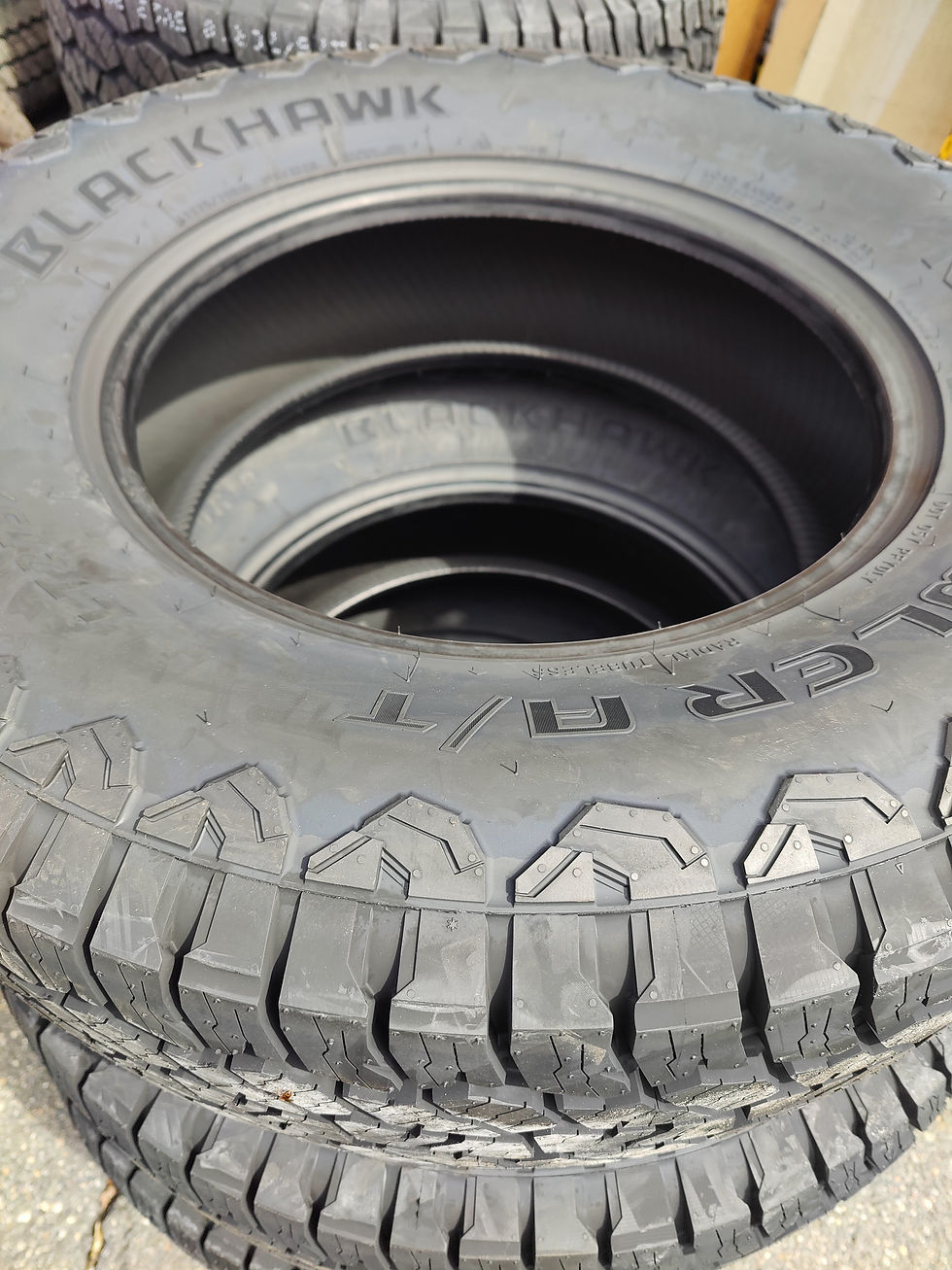
Even if the wheels fit perfectly, the tires mounted on them may not.
A tire that is too tall or too wide can rub during turns or suspension travel.
A tire that is too small may affect vehicle height, gearing, speedometer readings, and appearance.
When buying a complete wheel-and-tire package, always check the tire size—not just the wheel size.
6. Don't Forget Load Rating
This is especially important on pickup trucks.
Wheels and tires must be capable of supporting the weight of the vehicle and the loads the truck is designed to carry.
A wheel that physically bolts onto a heavy-duty truck is not necessarily rated for that truck.
The same applies to tires.
For vehicles such as:
Ford Super Duty
Ram 2500 and 3500
Chevrolet Silverado HD
GMC Sierra HD
load capacity should always be part of the fitment conversation.
7. Will the TPMS Sensors Work?
Most newer vehicles use a Tire Pressure Monitoring System, commonly called TPMS.
A set of factory take-off wheels may already contain TPMS sensors, but that does not automatically mean those sensors are compatible with your vehicle.
Different years and models may use different frequencies, sensor designs, and programming procedures.
Some vehicles automatically recognize new sensors after driving. Others require a relearn or programming procedure.
Always ask whether TPMS sensors are included and whether they are compatible with your vehicle.
8. Do I Need Different Lug Nuts?
Possibly.
Lug nuts vary by:
Thread size
Seat style
Length
Diameter
Vehicle application
Even factory wheels can require a specific style of lug nut.
Using the wrong lug nut can prevent the wheel from seating correctly and can damage the wheel or studs.
If you are changing wheel styles, it is worth checking your lug nuts before installation.
9. Brake Clearance Can Be a Problem
Modern trucks often have large brake calipers.
A wheel may have the correct bolt pattern and diameter but still fail to clear the brake system.
This can be especially important when trying to install smaller-diameter factory wheels on a truck that originally came with a larger wheel package.
10. Year, Make, Model and Trim Matter
When asking whether a wheel will fit, give us as much information as possible.
Ideally, we want:
YearMakeModelTrim2WD or 4WDCurrent tire size
For heavy-duty trucks, knowing whether the truck is a 2500, 3500, single rear wheel, or dually is also important.
Sometimes even the VIN can help confirm the correct application.
What Are Factory Take-Off Wheels?
Many of the wheels and tires we sell at B&B Enterprises are factory take-offs.
A take-off is an original equipment wheel or wheel-and-tire package that was removed from a new or nearly new vehicle, often because the owner or dealer upgraded the wheels.
That can give customers an opportunity to purchase genuine OEM wheels and tires without paying new-dealer replacement prices.
Why Buy From Someone Who Understands Fitment?
There are plenty of wheels for sale online.
The challenge is determining whether they are actually correct for your vehicle.
A wheel can look identical in a photo and still have the wrong:
Bolt pattern
Offset
Center bore
Load rating
Tire size
TPMS sensors
At B&B Enterprises, wheels and tires are not a part-time sideline. This is what we do.
We work with factory wheels, tires, take-offs, TPMS systems, and truck fitment every day.
If you are unsure whether a set will fit your truck, contact us before you buy.
A good deal is only a good deal if it fits.
Visit 4TiresAndWheelsPlus.com or call B&B Enterprises at 413-382-7128 to see our current inventory of factory wheels, tires, and wheel-and-tire packages.


Comments